Energy

Offshore oil platform lit at night

Performance depends on who gets to decide.

Reliability, throughput, cost and integrity rarely move independently. The work is understanding what the operating data is already telling you, deciding who is accountable for acting on it, and carrying that decision through implementation.
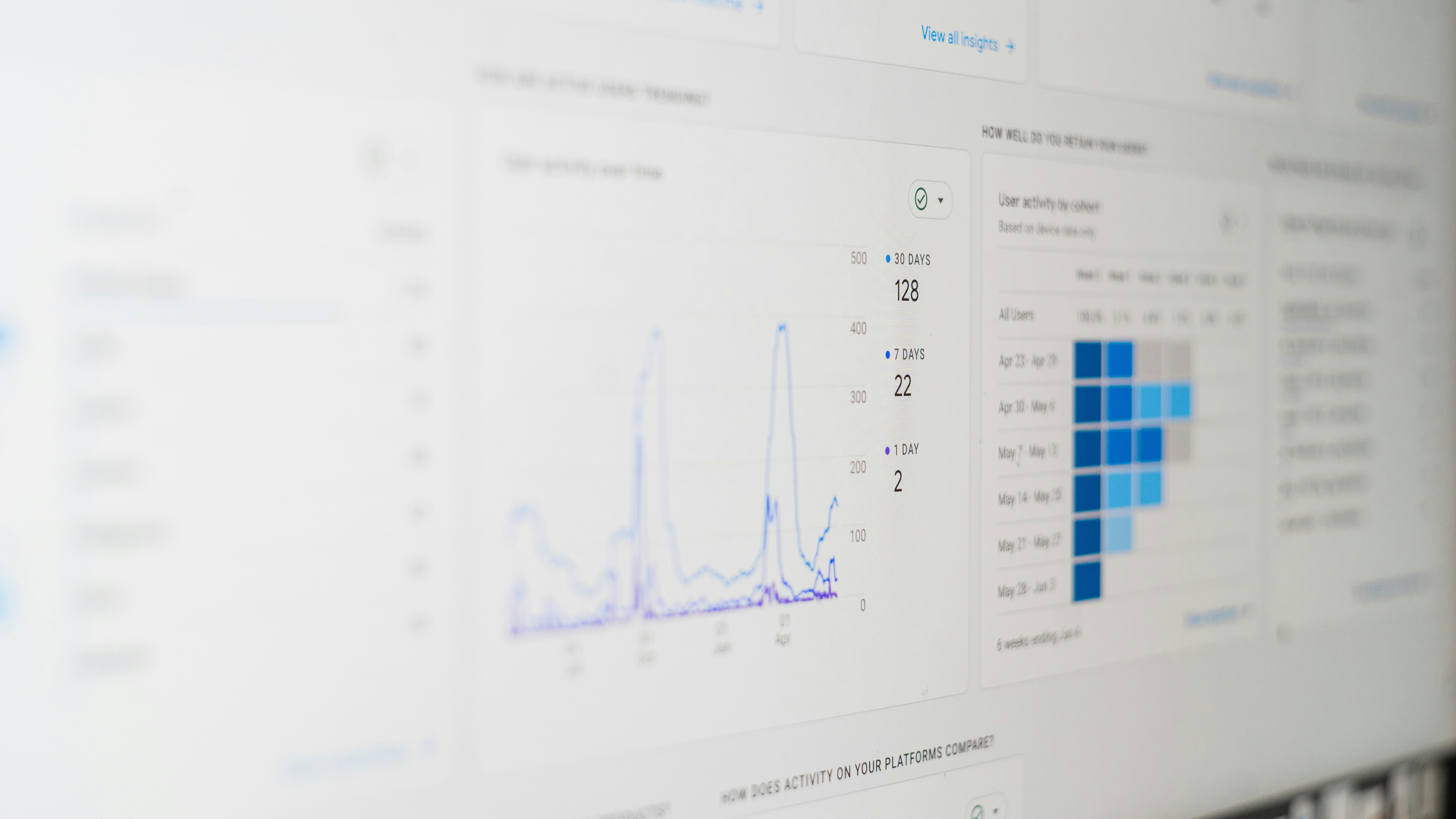
Operations dashboard with charts on a screen

What we see in ENeRGY /

Governance decides what the data is worth.

Energy operations generate more operating data than almost any other sector. What is usually missing is not another dashboard but clarity about who acts on what it shows, at what threshold, and on whose authority. Where that is unclear, adding reporting does not change what the operation does.

That also shapes where AI is useful here. Alarm data, daily management routines and control room records already hold patterns worth acting on. Surfacing them earlier only helps when someone has the authority to act on what it shows.

Where we have stood /

/

Operational excellence benchmarks for energy operators

Operational excellence benchmarks for energy operators

/

Alarm management and daily management system design

Alarm management and daily management system design

/

$30M+ five-year benefit case from one operations assessment for an oil and gas operator

$30M+ five-year benefit case from one operations assessment for an oil and gas operator

Where we can help /

Transformation by Design

Redesign the operation when the current model can no longer deliver what is required.

We work across operating model, process, technology and capability to shape the future state around how the operation runs, including the governance and decision rights that determine whether it holds, then stay involved as it moves into implementation.

Operational Acceleration

Improve performance by focusing on the constraint that matters most.

We work through the operation to identify what is genuinely limiting reliability, throughput, cost or lead time, then redesign around that constraint and move directly into delivery.

Built Into Every Engagement

Change That Sticks

Every engagement is built to keep working after we leave. A future state only holds if it works across control rooms, shift patterns, maintenance planning, contractors and regulatory obligations. Future Operations brings hands-on energy experience into the design, then stays through implementation so the change is tested against the operation rather than handed over to it.

Our role is to bring experience earned inside energy operations into the decisions that determine whether transformation will hold up in practice.

Questions we get about operational transformation in energy:

How do you tell a data problem from a decision problem?

Ask who acts when the number moves. A data problem exists when the operation cannot see what is happening. A decision problem exists when the operation can see it, and no one holds the threshold and the authority to act. Most energy operators have invested well in data, so the second case is the common one. We score both sides with the site's own specialists. The work that follows connects each KPI to one forum and one owner, and the dashboards that the operator already owns start to steer the day.

Where can AI create useful value in energy operations today?

AI pays where the operation already records the work and one person owns the decision. Alarm histories, maintenance work orders, shift handover notes and turnaround work packages are the best places to start. Strong sites review their operating envelopes on a fixed rhythm, and that review lets operators act before an alarm triggers. A model that feeds a review like that earns its place fast. We sequence the roadmap so that data standards and the review rhythm come first. The AI work then lands on a decision that someone already owns.

How do you improve reliability without simply moving the cost somewhere else?

We price every initiative by who keeps the benefit and when the cash arrives. A reliability gain enters the benefit case only after three tests. Freed hours are not cash while payroll stays fixed. A saving that passes through to a customer is the customer's benefit, and we report it on its own line. We deduct the overlap between initiatives once. One operations assessment for an oil and gas operator produced a five-year benefit case above $30 million on those rules, and every line reconciles to the headline number.

How do you work with existing operations and transformation teams?

Your people own the plan, and we work inside your structure. On a site playbook, the site leader is the steward. Each improvement area has a named owner on the site team and a sponsor at head office. Site specialists and corporate discipline owners set the targets together. The site runs the initiatives, and your central improvement team supports them. We bring the assessment method, the benefit model and the roadmap, and we build all three with both teams in the room.

How do you approach cost reduction without weakening integrity?

We set the integrity floor first, then we look for cost above it. Safety and regulatory standards enter the roadmap as mandatory work with no savings target attached. The roadmap also names the strengths that the site must protect, such as personal safety and emissions performance. In our energy work, the largest savings have come from turnaround planning, workload planning and clearly defined operating modes. A change that needs regulator approval carries no value in the benefit case until the approval exists.

The best time to talk is before the decision is made.

If you are working through a consequential decision on energy reliability, cost or transformation, start the conversation while there is still room to shape the direction.